Why bulk plastic containers for sale are popular among storage experts
A Comprehensive Overview to the Different Sorts Of Bulk Plastic Containers Available Today
Bulk plastic containers play a critical duty in numerous markets, using solutions for storage space and transportation. Their varied kinds satisfy various needs, from inflexible options for strong products to versatile containers suiting various forms. Each type offers unique benefits, making it important to recognize their functions and applications. As markets evolve, so do the demands for effective container remedies. What elements should one think about when choosing the ideal bulk container?
Overview of Bulk Plastic Containers
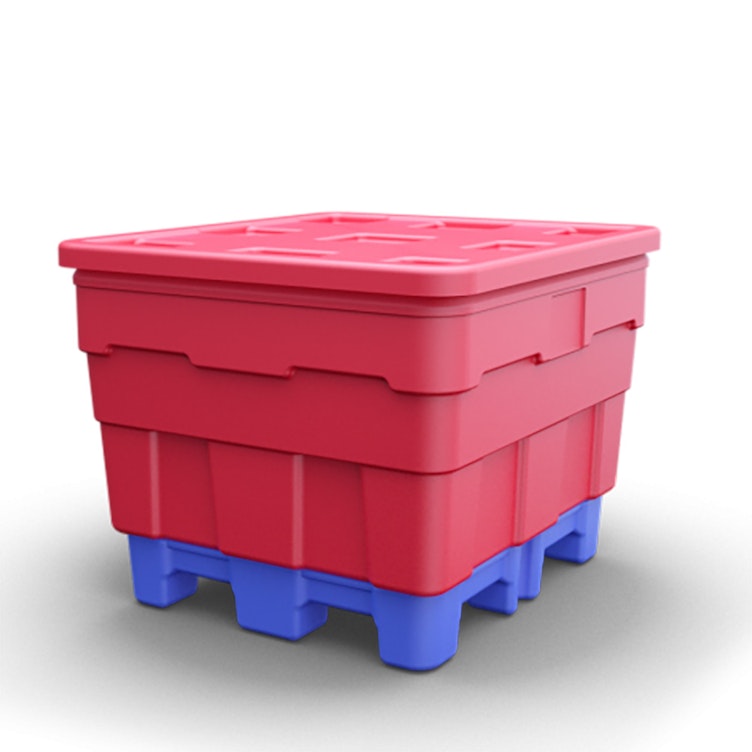
Types of Bulk Plastic Containers
Bulk plastic containers been available in numerous kinds, each fit to details applications. Rigid bulk containers, flexible mass containers, and intermediate mass containers stand for the main classifications, each offering distinct advantages. Understanding these kinds is necessary for picking the best container for moving and keeping materials.

Stiff Bulk Containers
Stiff bulk containers are essential for reliable storage space and transportation of different products across industries. These containers are usually constructed from sturdy plastics, permitting them to stand up to rough handling and environmental conditions. They come in different forms and sizes, consisting of totes, containers, and drums, making them suitable for saving whatever from granular materials to liquids. Stiff containers frequently feature strengthened wall surfaces and safe and secure covers, making sure the contents stay secured throughout transportation. Their stackable style makes the most of storage area, making them suitable for warehouses and making centers. In addition, lots of rigid bulk containers are recyclable and reusable, contributing to sustainability efforts. On the whole, their toughness and convenience make rigid bulk containers a vital element in supply chain procedures.
Adaptable Mass Containers
Flexible mass containers, frequently described as flexible intermediate mass containers (FIBCs), function as a functional option for transporting and saving a range of dry products. These containers are commonly made from woven polypropylene and are developed to be lightweight yet solid, enabling efficient handling and stacking. Their versatility enables them to accommodate various forms and sizes, making them suitable for items ranging from grains to chemicals. FIBCs can be furnished with attributes such as spouts for easy filling and discharge, as well as protective finishes for improved sturdiness. Additionally, they are multiple-use and recyclable, adding to lasting methods in sectors such as farming, food processing, and building. On the whole, adaptable mass containers offer a economical and efficient choice for mass material monitoring.
Intermediate Bulk Containers
Intermediate bulk containers (IBCs) are vital for the reliable transport and storage space of fluids and granular materials across different industries. These containers typically have a capability varying from 275 to 330 gallons and are developed for simple managing and stacking. Made from long lasting products like high-density polyethylene or steel, IBCs supply exceptional protection against contamination and ecological factors. Their layout consists of functions such as an integrated pallet for forklift access and a removable top for easy dental filling and cleaning. IBCs are widely made use of in chemical, food, and pharmaceutical sectors, making sure conformity with safety and security policies. Their versatility and reusability make them a cost-effective solution for mass storage and transportation, contributing to provide chain efficiency and sustainability.
Features and Benefits of Mass Plastic Containers
Mass plastic containers are essential devices in different markets, using a combination of toughness and functionality. These containers are created from premium products, making them resistant to impacts, chemicals, and ecological elements. This effectiveness guarantees product safety and security during storage space and transportation.
In addition, bulk plastic containers are lightweight, helping with convenience of reducing and handling delivery expenses. Their stackable style makes the most of storage space performance, allowing for enhanced warehouse space. Lots of versions feature safe lids or closures, supplying a closed seal that stops and protects contents contamination.
Bulk plastic containers are recyclable and commonly reusable, contributing to sustainable methods. Their adaptability enables a variety of applications, from food storage to commercial usage, enhancing their worth across sectors. Services benefit from the long life-span and reduced maintenance requirements of these containers, making them a cost-effective service for both long-term and short-term requirements.
Industries That Make Use Of Mass Plastic Containers
Various industries gain from making use of mass plastic containers, each leveraging their unique properties for particular applications. The food and beverage industry relies on these containers for safe storage and transport of products, while the chemical manufacturing market uses them for handling hazardous have a peek at these guys materials. In addition, the pharmaceutical circulation requires stress the relevance of sturdiness and tidiness in packaging remedies.
Food and Beverage Sector
As the demand for efficient and safe storage options continues to rise, the food and drink market increasingly depends on mass plastic containers for their operational needs. These containers provide durable, lightweight, and versatile alternatives for saving active ingredients, completed products, and waste products. Made from food-grade materials, they assure compliance with health and wellness standards. Different layouts, such as stackable containers and tote boxes, maximize space throughout transportation and storage, boosting logistical performance. Furthermore, the transparency of some mass containers allows for simple supply administration, decreasing the threat of wasting. With the industry's emphasis on sustainability, numerous suppliers are now offering multiple-use and recyclable alternatives, straightening with environmentally friendly techniques while satisfying the high demands of food safety and health.
Chemical Manufacturing Market
The chemical production industry counts greatly on bulk plastic containers for the effective and safe storage of basic materials, intermediates, and finished items. These containers are developed to hold up against numerous chemicals, guaranteeing that unsafe materials do not leakage or degrade the container itself. Common kinds consist of high-density polyethylene (HDPE) and polypropylene containers, which offer exceptional chemical resistance and durability. Their light-weight nature and stackable design help with transport and storage space, maximizing space in manufacturing centers. Furthermore, lots of mass plastic containers feature features such as tamper-evident seals and easy-to-read labeling, enhancing security and compliance with industry guidelines. On the whole, mass plastic containers are essential to the published here chemical production procedure, giving dependable services for dealing with diverse compounds.
Pharmaceutical Circulation Requirements
Pharmaceutical circulation counts on bulk plastic containers to satisfy rigorous safety and security and governing needs. These containers are crucial for storing a variety and transferring of pharmaceutical products, including active pharmaceutical ingredients (APIs) and finished medications. Their design warranties defense versus light, contamination, and moisture, keeping the honesty of delicate products. Additionally, bulk plastic containers are certified with market standards such as Great Production Practices (GMP) and are often made from products that are FDA-approved. Making use of these containers enhances efficiency in the supply chain, permitting for risk-free, large-scale distribution while reducing waste. Companies in the pharmaceutical field prioritize the use of sturdy, leak-proof, and tamper-evident containers to guarantee item safety and security and top quality throughout the logistics process.
Factors to consider for Selecting the Right Container
When selecting the ideal bulk plastic container, numerous aspects need to be very carefully weighed to assure perfect capability and security. The nature of the products to be kept is paramount; compatibility with the container's material can influence stability and security. plastic bulk containers. Furthermore, the container's dimension and form need to straighten with the storage and transportation needs, ensuring reliable room usage
Tons capability is one more crucial factor to consider, as it ought to suit the weight of contents without risk of damages or failing. The design features, such as airing vent or lids, can influence functionality and accessibility. Compliance with industry laws is crucial, particularly in sectors like drugs, where safety and security criteria are rigorous.
Finally, the expected life-span and sturdiness of the container need to be evaluated to confirm it meets the operational needs without constant substitute. By reviewing these aspects, one can select one of the most ideal mass plastic container for particular applications.
Ecological Impact and Sustainability
As businesses significantly focus on sustainability, the environmental impact of bulk plastic containers has come under analysis. These containers, frequently made from products such as polyethylene or polypropylene, contribute substantially to plastic waste if not handled effectively. Their manufacturing involves the consumption of fossil fuels, which can look at this now lead to raised greenhouse gas discharges. Nonetheless, improvements in recycling technology and the advancement of eco-friendly alternatives are helping to reduce these worries.
In addition, several producers are adopting techniques that stress using recycled products, thus lowering the need for virgin plastics. The sturdiness of bulk plastic containers additionally contributes; they are designed to be recycled multiple times, which can decrease their overall ecological footprint when contrasted to single-use choices. Ultimately, the sector faces the obstacle of balancing capability with environmental duty, making sustainable techniques vital for the future of mass plastic containers.
Finest Practices for Storage Space and Transportation
Effective storage space and transport of mass plastic containers greatly affect both functional efficiency and sustainability. To maximize area, companies should stack containers firmly, guaranteeing stability and protecting against damages. Appropriate labeling is vital for easy recognition, which enhances access processes. Furthermore, keeping a clean and orderly storage space location decreases the threat of contamination and enhances safety.
For transport, choosing the best vehicle is essential; containers ought to be safeguarded to stay clear of moving during transportation. Companies need to additionally think about utilizing pallets to promote simpler loading and dumping. Regular inspections of containers for wear and tear can protect against costly replacements.
Temperature level control is one more important facet, as severe problems can jeopardize the integrity of the plastic. Training employees on finest techniques for dealing with and transport guarantees compliance and promotes a society of safety and security. By implementing these best techniques, services can enhance their operational efficiency while adding to ecological sustainability.
Regularly Asked Concerns
Just how Do I Clean Mass Plastic Containers Successfully?
To clean mass plastic containers effectively, one should rinse them with warm water, utilize a mild detergent and scrub with a soft brush. Wash thoroughly, then enable to air completely dry entirely before storage or reuse.
What Is the Life-span of Mass Plastic Containers?
The lifespan of mass plastic containers generally varies from 5 to one decade, depending on the material, usage, and environmental conditions. Appropriate upkeep and storage can greatly expand their functionality and resilience with time.
Can Mass Plastic Containers Be Customized?
Do Mass Plastic Containers Have Service Warranty Options?
Are There Rules for Using Bulk Plastic Containers?
Yes, laws exist for utilizing bulk plastic containers, primarily concentrated on security, ecological impact, and product conformity. These policies assure that containers satisfy industry criteria and appropriate for delivering various compounds securely and effectively.
Stiff bulk containers, flexible mass containers, and intermediate mass containers represent the primary groups, each offering one-of-a-kind benefits. Adaptable bulk containers, often referred to as adaptable intermediate bulk containers (FIBCs), serve as a functional remedy for keeping a range and moving of completely dry materials. The chemical manufacturing industry relies heavily on mass plastic containers for the secure and effective storage space of raw materials, intermediates, and completed products. bulk plastic containers for sale. These containers are developed to endure numerous chemicals, guaranteeing that hazardous products do not leak or degrade the container itself. Additionally, mass plastic containers are compliant with industry requirements such as Excellent Manufacturing Practices (GMP) and are often made from materials that are FDA-approved